The new balance of power in Serie A and in geopolitics suggests new strategies and new objectives. Parma.

I have always believed that Roma could improve upon last year’s league standing (3rd place). Now, even many analysts—more qualified than I am—are saying that Roma can aim for the *scudetto* (the league title). This represents a strategic shift in objectives, one that even touches upon geopolitics—much like the blow dealt to Donald in the U.S. midterms, especially for the conflict in Ukraine.
That Russia has (or at least has had) expansionist ambitions in Europe extending well beyond Ukraine alone is made clear by its demand to redraw European and NATO borders—as if the Baltic states’ decision to join the Europe and NATO had not been a free choice. That is false.
However, this demand is rooted in two underlying issues: 1) Europe is viewed as a potential major superpower (which is why US wants Europe at the peace negotiating table); and 2) Would-be successors to Putin are beginning to emerge within the Kremlin.
Per l’Europa, il formato a 5 stati al tavolo delle trattative rischia di essere, a priori, litigioso al suo interno. Vedo più favorevolmente trovare un unico mediatore in grado di fare una sintesi sulle varie posizioni. Antonio Costa, Presidente del Consiglio Europeo, mi sembra abbastanza legittimato a farlo.
Following the midterms, there must be a repositioning on the part of Europe—which may once again come to trust the U.S.—and, conversely, on the part of Russia, which can no longer use the U.S. as a foothold to strike at Europe.
Just as Europe stood united in facing Brexit—and benefited from doing so—it must now stand united against Russia’s attempt to sow division through non-aggression pacts with individual states. Ultimately, however, as Renato Coen, the Brussels correspondent for Sky Italia, rightly pointed out, everything hinges on the upcoming elections in Germany, France, and Spain.

For some Eastern European states—Poland, for instance—a non-aggression pact might be convenient; however, 1) I do not believe Russia would propose such a thing to Poland; and 2) one cannot trust the Russians, who had an agreement with Ukraine (the Minsk Protocol) yet invaded it regardless. If Russia truly desires a non-aggression pact, it should conclude one with all of Europe—including Ukraine itself.
For instance, it appears that the Russians have agreed to a truce in order to begin peace talks. This is a very honorable gesture of good will.
I find the trade-off requested by the US mediators—the Donbas to Russia in exchange for Russia’s consent to Ukraine joining NATO—to be acceptable. Unfortunately, however, while the US mediators may be great real estate dealmakers, that does not make them great diplomats; furthermore, it does not appear that they have cleared this proposal with Russia.
There is a great deal of propaganda—and a great deal of confusion—both of which are detrimental to peace. It is essential to understand what the Russians actually want, as it is impossible to tell where the fog of propaganda ends and a genuine willingness for peace begins; this is a disgrace to Russia’s noble diplomatic tradition.
Russia is being struck deep within its own territory by Ukraine. Public opinion is beginning to turn against this pointless war. Russian figures indicate that 450,000 young Russians have died. Those who still cling to the dream of a "Greater Russia" are destined to be defeated by history. Perhaps it would be better for the Russians to start viewing Europeans as more significant economic partners—a prospect currently undermined by the war in Ukraine.
Just as I see the situation regarding world peace—and specifically the situation in Ukraine—as improving (though still muddled and yet to take concrete shape), so too does Roma’s excellent current run of form suggest more ambitious goals; yet, much like the quest for peace in Ukraine and the world at large, these objectives are still far from guaranteed. We are now heading to Parma—a side that has been playing much better of late—and they deserve our absolute best effort.
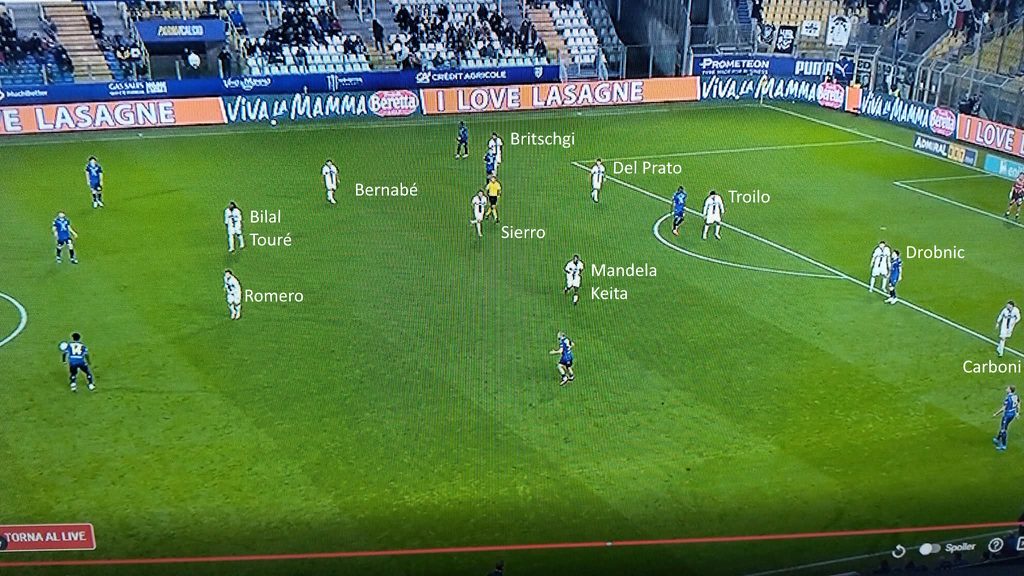
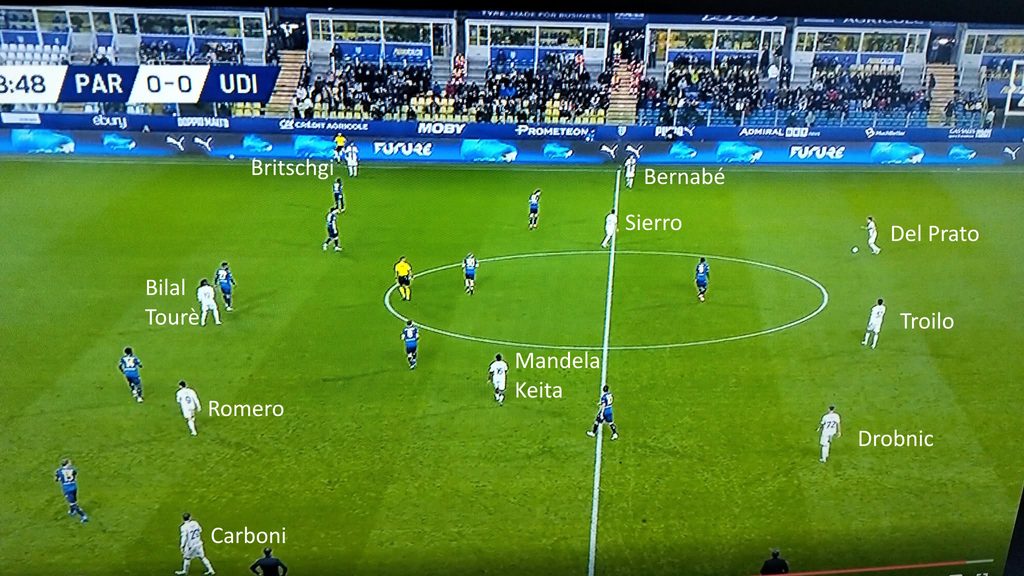
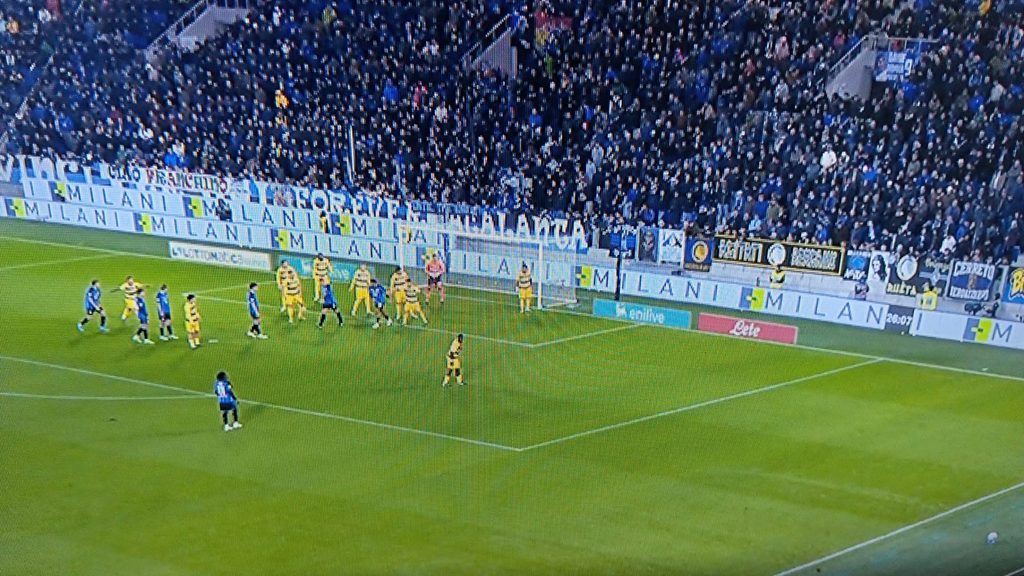
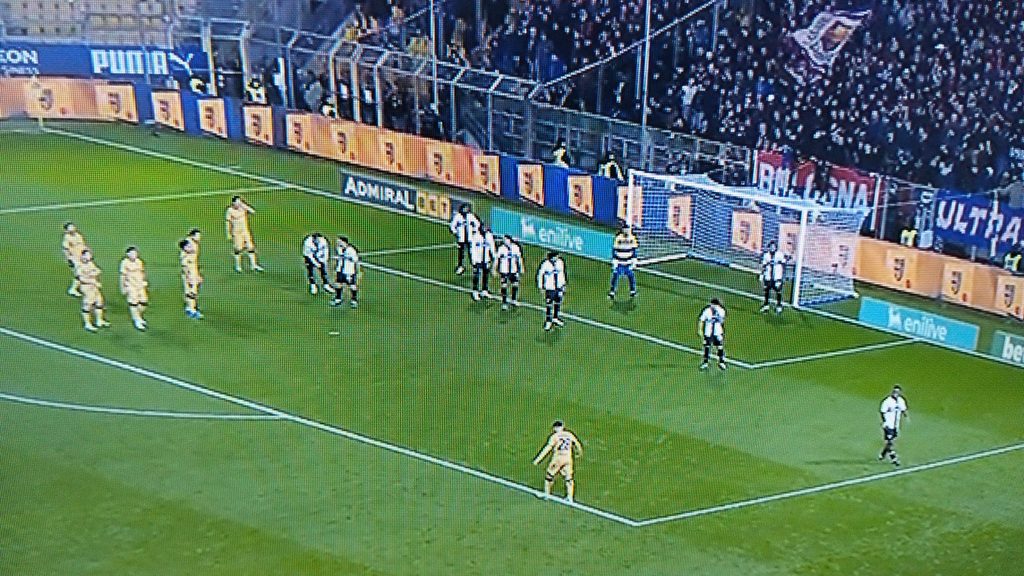
They are very strong on attacking corners. Keep an eye on the central defenders—and on Fabbian, too.
Europeans and the *Romanisti* (AS Roma fans/the club) are facing major challenges. On one hand, Europe must decide whether it wants to come of age—with the crisis in Ukraine serving as the ultimate test—while on the other, Roma must demonstrate that its capabilities are equal to its grand, newfound ambition. The test is Parma.
Daje Roma!
Giordano Sepi