Il Telefono giallo. L’agenda rossa. PSG. Parma-Roma 1-5.

In the span of a few days, there have been two shocking deaths. The first was Corrado Augias—one of those intellectuals whom I considered my mentors. The other is De Gennaro, who, through his suicide(?), has taken all the secrets regarding the ties between politics and the Mafia to the grave. Meanwhile, Roma has crushed Parma and is now preparing for the toughest match of this stage of the season: away in Paris against PSG.
Corrado Augias was an atheist—or perhaps it would be more accurate to say he was an agnostic—since he did not categorically deny the existence of God. He asked himself questions. I read his excellent *Disputa su Dio* [Dispute About God]. And then, of course, there’s *Telefono Giallo*1 ...regarding the many unsettling crimes of the 1980s—a period during which he even interviewed Falcone. There was a telephone line that would receive calls from shadowy figures who wished to remain anonymous; rather than providing any definitive clarity, they only fueled further doubts. In that program, too, Augias would pose many questions—often left unanswered. I considered him a master. He was one of those *Romanisti*—fans of AS Roma—to be proud of, even if he wasn’t a die-hard, fanatical supporter.
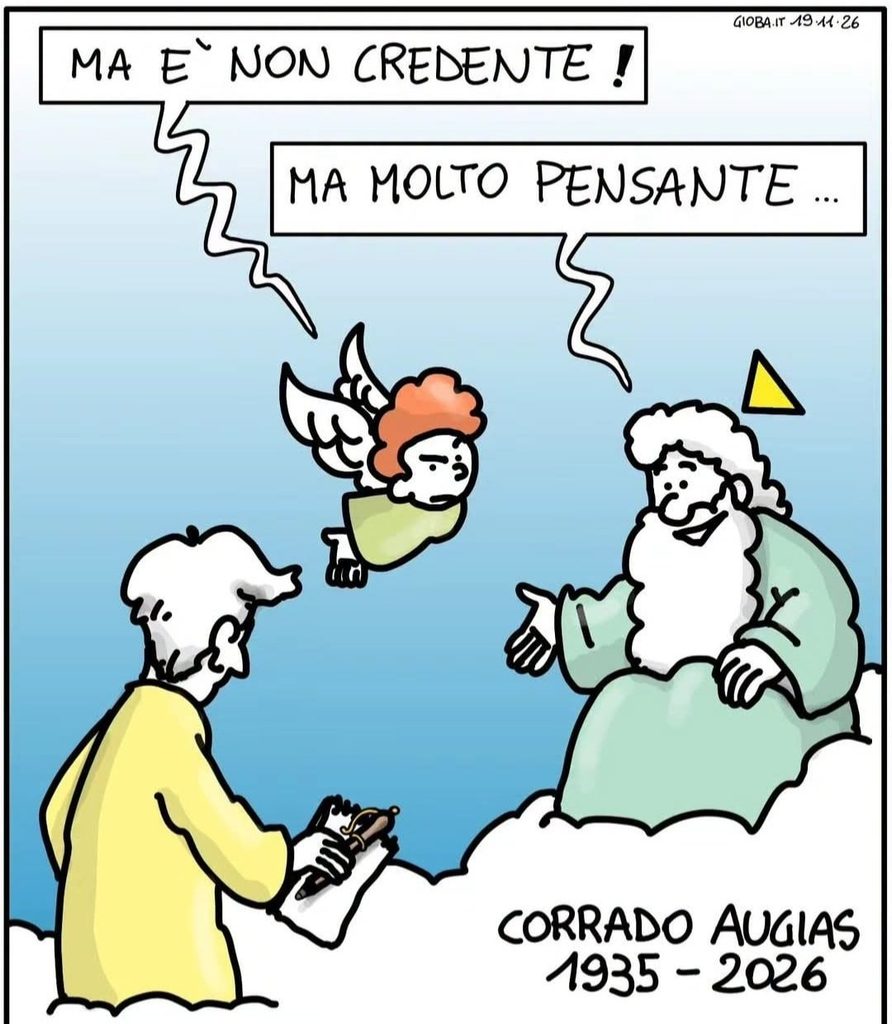
“But very thinking…”
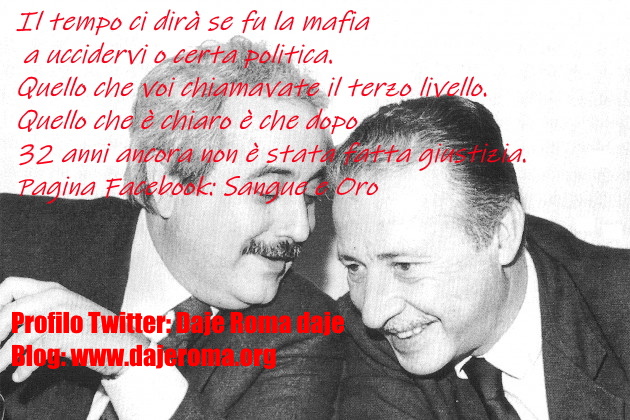
And now we find ourselves asking about De Gennaro. It had just begun un’indagine about him, and perhaps he took his own life out of shame. Those in power—politicians and journalists alike—have no doubts: it was a suicide. Yet, this very certainty—expressed before any investigation, which is strictly required, has even taken place—is precisely what gives rise to doubt. It carries with it many mysteries regarding the ties between politics and the Mafia—what Falcone referred to as the "third level." And then there is Falcone’s red diary, filled with many truths about the history of Italy—a diary that vanished, because someone did not want its contents to be read.
With De Gennaro’s suicide, the investigation into him has been effectively decapitated. Many questions will remain unanswered—at least for the time being, I hope. Mantovano, the Undersecretary of the Interior, remarked, “The mobsters must have celebrated.” I would add that many politicians—who were beginning to catch a glimpse of prison bars—likely celebrated, too. Furthermore, other politicians who have since passed away—such as Berlusconi and that fellow Roma fan, Andreotti (a disgrace to us Roma supporters)—still wear the pristine mask of the virtuous statesman, when in fact they deserve *damnatio memoriae* for their blood-soaked ties to the Mafia.
The search for truth has come to a halt. Our questions remain unanswered. My friend @MarcosPalermo commented bitterly on Twitter: "We will never know the truth." I, however, choose to remain optimistic; I hope that one day, a capable magistrate will—at the very least—uncover the truth for the sake of historians. Thirty-two years later, the true masterminds behind the bombings in Palermo and Capaci remain unknown—a fact that is both painful and infuriating. This is especially true for Giovanni Falcone, Paolo Borsellino, and the officers of their security details—people of whom every Italian should be proud, and who, from up above, are still seeking justice here on earth.
Meanwhile, Roma heads to Paris to face the toughest of their eight league-phase matches—all while remaining in the play-off zone, despite defeats to Real Madrid and Manchester United.
PSG is incredibly strong. They are managed by a truly great and highly decorated coach—Luis Enrique, whom I’m very fond of. That said, Roma certainly has a good chance. PSG builds its game around pressing, possession, and attacking; if we can disrupt their script and force them into a defensive role, we could pull off a surprising result.
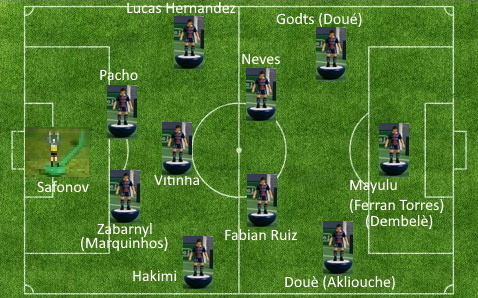
Vitinha can be the primary playmaker, with Neves providing support.
To catch their opponent off guard, they often use a sudden switch of play with a long pass.
They have a number of technically very strong players and often attack with 8 men (2 full-backs, 3 midfielders, and 3 forwards); however, if we put their defensive phase to the test, we could achieve some unexpected rewards.
The *giallorossa* agenda now includes a trip to beautiful Paris, following a resounding victory in Parma—a result I find unfair to the Parma side, who held their own on the pitch for an hour.
| 12nd Serie A | First Half | Second Half | Final Score | Scorers |
 | 54′ Elphege | |||
 | 39′, 68′, 77′. 90′ Malen, 71′ Mora |
After Bobby Er Fantastico’s opening goal—an absolutely incredible strike—the first half ended in a way that suggested a Roma masterclass was in the making. Unfortunately, early in the second half, there was a discordant note from Balerdi (who had been excellent up to that point): he mistimed an interception against Elphege, who went on to score.
Paradoxically, the problem for Parma was that the equalizer came too early, giving Roma the chance to recover from the blow and go on to score a flurry of goals. Had the *crociati* managed to hold on to their 0–1 lead until the 85th minute before finding an equalizer, they would have come away with a valuable point.
It is only right to mention Mora, with a streak of 4 goals in 4 matches, but above all, it is fitting to talk about Bobby Malen (who scored four goals).
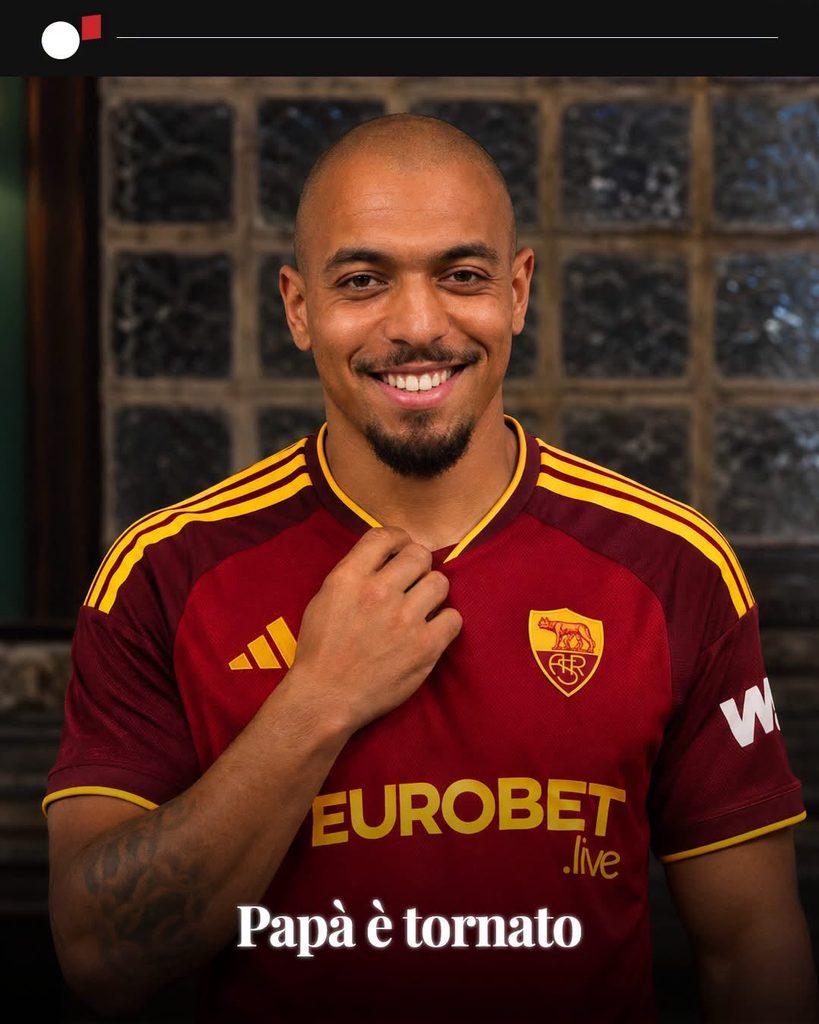
Daje Roma!
Giordano Sepi
- In Italy, yellow is the color associated with crime fiction because the first books on this subject published by Arnaldo Mondadori had yellow covers. ↩︎